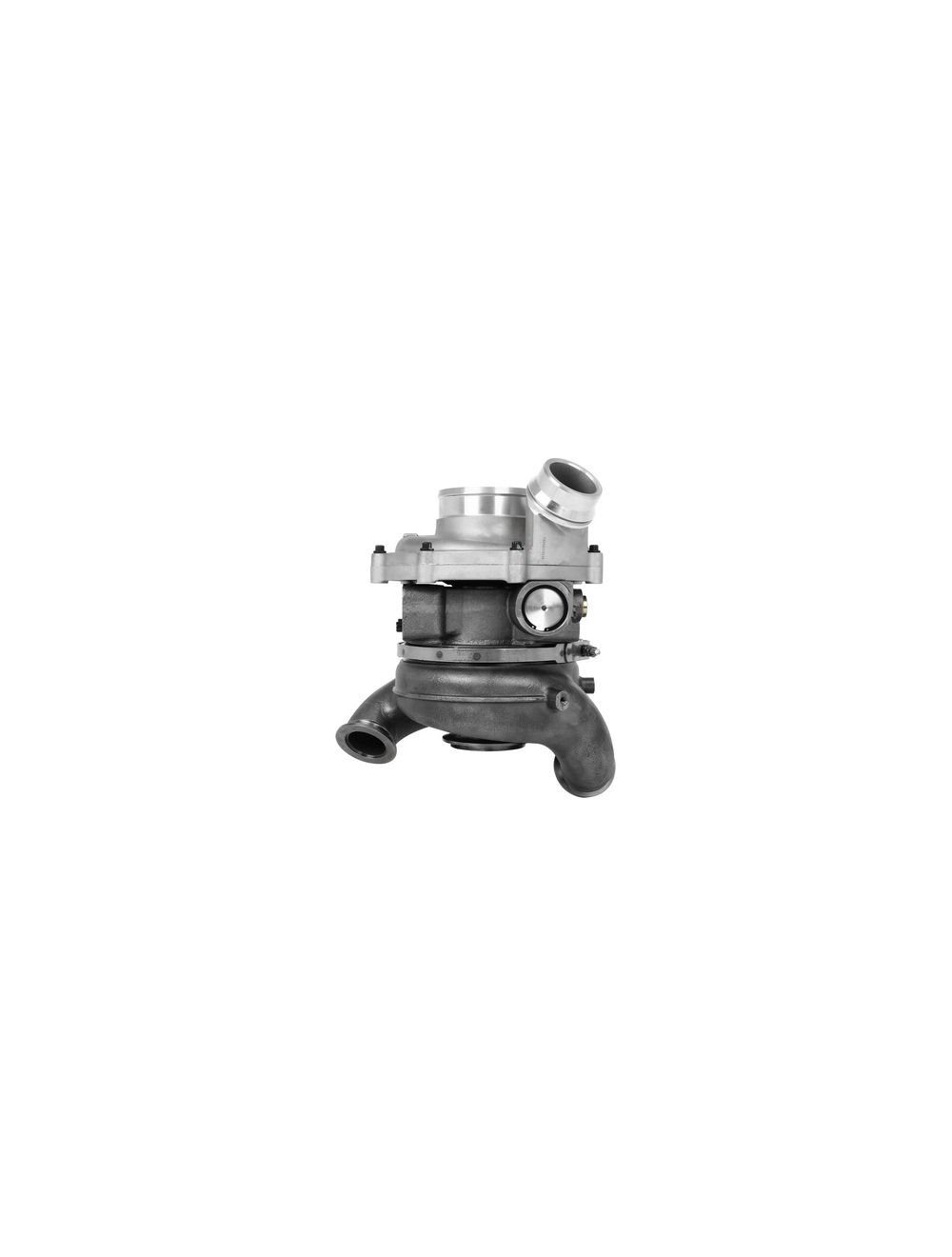


17-19 Ford Super Duty 6.7L Diesel Powerstroke Cab and Chassi Genuine New Turbo
| Type | Turbo Charger |
|---|---|
| Model | HC3Q9G438AC |
| Manufacturer Part Number | GD171343CAR |
| Interchange Part Number | HC3Z-6K682-A, HC3Z6K682A, HC3Q9G438AC HC3Q 9G438 AC HC3Q-9G438-AC |
| Manufacturer Warranty | 6 Month Warranty Included |
| Color | Silver |
| OE/ Part Number | HC3Q9G438AC, HC3Q-9G438-AC |
| Superseded Part Number | HC3Q9G438AD HC3Q 9G438 AD HC3Q-9G438-AD |
INITIAL INSPECTION AND GENERAL CARECarefully inspect the air cleaner, air cleaner duct, and the exhaust manifold for any foreign material.
Objects left in these areas can severely damage the turbocharger immediately on engine startup. Remove old gaskets and left-over material from the exhaust manifold, the oil supply line and oil drain line flanges.
Inspect these surfaces for cracks, flatness, or erosion. Inspect the oil supply and drain lines for degradation and cracking. Make sure that there are no kinks or any other type of restriction or clogging in either line. FINAL INSTALLATIONINITIAL INSPECTION AND GENERAL CAREINITIAL INSPECTION AND GENERAL CAREINITIAL INSPECTION AND GENERAL CAREINITIAL INSPECTION AND GENERAL CARECarefully inspect the air cleaner, air cleaner duct, and the exhaust manifold for any foreign material. Objects left in these areas can severely damage the turbocharger immediately on engine startup. Carefully inspect the air cleaner, air cleaner duct, and the exhaust manifold for any foreign material. Objects left in these areas can severely damage the turbocharger immediately on engine startup. Remove old gaskets and left-over material from the exhaust manifold, the oil supply line and oil drain line flanges.
Inspect these surfaces for cracks, flatness, or erosion. Remove old gaskets and left-over material from the exhaust manifold, the oil supply line and oil drain line flanges.
Inspect these surfaces for cracks, flatness, or erosion. Inspect the oil supply and drain lines for degradation and cracking. Inspect the oil supply and drain lines for degradation and cracking. Make sure that there are no kinks or any other type of restriction or clogging in either line. Make sure that there are no kinks or any other type of restriction or clogging in either line. FINAL INSTALLATIONFINAL INSTALLATIONFINAL INSTALLATIONFINAL INSTALLATIONInstall the turbocharger, taking care to ensure that no dirt or foreign material enters the turbocharger openings. Always, use new gaskets and O-rings(where applicable).
Do not connect the oil supply line or the air cleaner duct yet, see later steps. Install the turbocharger, taking care to ensure that no dirt or foreign material enters the turbocharger openings. Always, use new gaskets and O-rings(where applicable).
Do not connect the oil supply line or the air cleaner duct yet, see later steps. Pre-lube the turbocharger by pouring clean engine oil into the oil inlet hole of the turbo. Pre-lube the turbocharger by pouring clean engine oil into the oil inlet hole of the turbo. With your fingers, spin the compressor wheel several times to coat the turbocharger bearings with oil. With your fingers, spin the compressor wheel several times to coat the turbocharger bearings with oil. Pour more oil into the oil inlet hole to top it off.
There may be some drainage, but this is of no concern. Pour more oil into the oil inlet hole to top it off.
There may be some drainage, but this is of no concern. Connect the oil supply line and the air cleaner duct. Connect the oil supply line and the air cleaner duct. Check for proper crankcase oil level. Check for proper crankcase oil level. With the fuel shut off to prevent engine start, crank the engine for 10-15 seconds, or until the gauge shows an oil pressure build up. With the fuel shut off to prevent engine start, crank the engine for 10-15 seconds, or until the gauge shows an oil pressure build up. Start the engine and let it idle for 5-10 minutes.
Do not rev the engine during this time. Start the engine and let it idle for 5-10 minutes.
Do not rev the engine during this time. Check the installation for any oil leaks. Check the installation for any oil leaks. The installation tips listed here are general guidelines that apply to all turbos anddo not include vehicle-specific details. Pleaserefer to the authorized original equipment service manual for detailed installation instructions.
If you do not have the experience, proper tools or manuals, please seek the services of a qualified technician. The installation tips listed here are general guidelines that apply to all turbos anddo not include vehicle-specific details. Pleaserefer to the authorized original equipment service manual for detailed installation instructions.
If you do not have the experience, proper tools or manuals, please seek the services of a qualified technician.6 Ways to Protect Your Turbo Engine6 Ways to Protect Your Turbo Engine6 Ways to Protect Your Turbo Engine6 Ways to Protect Your Turbo Engine1. Regular Oil Maintenance1. Regular Oil MaintenanceFor the best performance from a turbocharger, change the oil at least every 5,000 miles. For the best performance from a turbocharger, change the oil at least every 5,000 miles.2.
Warm Up the Engine2.
Warm Up the EngineFor the first 10 minutes of driving a cold car, go easy on the accelerator pedal to limit the strain on the oil pump and prevent unnecessary wear and tear on the turbo system.
Wait at least 10 minutes before going full throttle, or watch the oil gauge for when it’s reached its optimum temperature. For the first 10 minutes of driving a cold car, go easy on the accelerator pedal to limit the strain on the oil pump and prevent unnecessary wear and tear on the turbo system.
Wait at least 10 minutes before going full throttle, or watch the oil gauge for when it’s reached its optimum temperature.3.
Don’t Overstep the Limits of the Turbo when Cruising3.
Don’t Overstep the Limits of the Turbo when CruisingWhen cruising around town or on the motorway, try not to jab the accelerator.
Instead, ease the power on slowly to give the turbo a chance to start spinning freely, and use the accelerator sparingly to maintain your speed.
While turbos are rigorously stress-tested, and should last the lifetime of the engine, regular bouts of aggressive driving could take their toll, and cause costly issues. When cruising around town or on the motorway, try not to jab the accelerator.
Instead, ease the power on slowly to give the turbo a chance to start spinning freely, and use the accelerator sparingly to maintain your speed.
While turbos are rigorously stress-tested, and should last the lifetime of the engine, regular bouts of aggressive driving could take their toll, and cause costly issues. And remember – not only will gentle cruising spare your turbo, it’ll give you great fuel economy, too. And remember – not only will gentle cruising spare your turbo, it’ll give you great fuel economy, too.4.
Use Your Gears to Overtake4.
Use Your Gears to OvertakeWhether you’re driving up a long hill, overtaking on an A road or accelerating into the fast lane on the motorway, downshifting into a lower gear is a safer long-term option than relying purely on the turbocharger.
Gears were built for aiding performance up and down the rev range, so using a combination of gear changes and turbo boost will help to limit the wear and tear suffered through the turbo system. Whether you’re driving up a long hill, overtaking on an A road or accelerating into the fast lane on the motorway, downshifting into a lower gear is a safer long-term option than relying purely on the turbocharger.
Gears were built for aiding performance up and down the rev range, so using a combination of gear changes and turbo boost will help to limit the wear and tear suffered through the turbo system.5.
Let the Engine Cool After Driving5.
Let the Engine Cool After DrivingTurbos produce a lot of heat while driving, and if you turn off the engine straight away, this residual heat will boil the oil in the turbo system, leading to a build-up of carbon particles that can cause corrosion and premature engine wear. Turbos produce a lot of heat while driving, and if you turn off the engine straight away, this residual heat will boil the oil in the turbo system, leading to a build-up of carbon particles that can cause corrosion and premature engine wear. After driving, get in the habit of leaving the engine running for a couple of minutes at idle, which will cool the turbo enough to switch off the engine without cooking the engine oil. After driving, get in the habit of leaving the engine running for a couple of minutes at idle, which will cool the turbo enough to switch off the engine without cooking the engine oil.6.
Don’t Blip the Throttle Before Turning the Engine Off6.
Don’t Blip the Throttle Before Turning the Engine OffWhether you’re parking or simply want to hear the whizz of the turbo charger, don’t blip the throttle right before turning the ignition off.
Pressing the accelerator causes the rotating turbines in the turbo to spin; when the engine is switched off, the flow of oil lubricating these moving parts will stop, but the turbines won’t stop spinning.
This puts strain on the bearings, causing friction and a build-up of heat which can lead to a failure in the turbo system. Whether you’re parking or simply want to hear the whizz of the turbo charger, don’t blip the throttle right before turning the ignition off.
Pressing the accelerator causes the rotating turbines in the turbo to spin; when the engine is switched off, the flow of oil lubricating these moving parts will stop, but the turbines won’t stop spinning.
This puts strain on the bearings, causing friction and a build-up of heat which can lead to a failure in the turbo system. You can reduce this risk by following the advice in point five – leaving the engine to cool before switching off the ignition. You can reduce this risk by following the advice in point five – leaving the engine to cool before switching off the ignition.1.
Packing and shipping
|
Packaging Regulation : |
Wooden Box / Carton |
|
Delivery time : |
7~14 days(About) |
|
Conditions : |
New and Genuine |
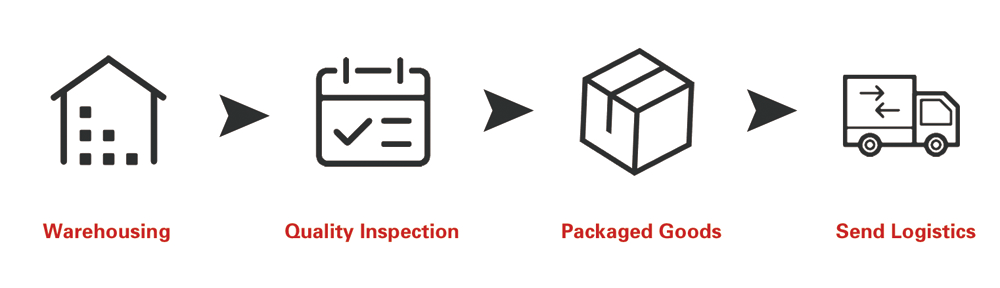
How do you order?
Okcarpart makes ordering GET Parts easy. Simply send a mail to us. Instead of searching online and guessing which parts you need, our team will make sure you get the correct parts. We process and deliver your order fast, and always at a competitive price. Enjoy 5-star service!
1.IDENTIFY
Determine the parts you need. To ensure the correct parts are quoted, it's best to have the machine make and model, along with part numbers and photos of the nameplate if possible. Our team of professionals are here to help ensure you get the correct parts that fit and work the first time. Our sales team can also survey and help identify the parts you may need. Please email us to get started!
2.ORDER
Our professional internal sales teams and strong supply chain system will assist you to identify the right parts, and can recommend the most cost-effective solution for you. Our team of professionals will process your order, and ensure your order is correct the first time. With over 15 years in the business, we remove the guesswork and always deliver.
3.DELIVER
We'll ship or deliver your products as required, to your nominated location. If you're also located elsewhere, we'll identify the best shipping options for both price and delivery time. Email us now!
FAQs

Q1: What is the difference between OEM and Aftermarket parts, and how do I select the right quality level for my needs?
A: OEM (Original Equipment Manufacturer) parts guarantee exact fit and factory quality, typically at a higher cost. Our Aftermarket parts are sourced from certified manufacturers, often offering comparable performance and superior value. We clearly label all products to allow the customer to make an informed choice based on budget and required lifespan.
Q2: Since you are a global supplier, how do I calculate total shipping costs and estimated delivery time to my country/region?
A: Shipping costs are calculated based on part dimensions, weight, and the destination country during checkout. We offer multiple options (e.g., Economy, Express) with transparent, real-time tracking. Delivery times are clearly displayed and factor in customs processing for international orders.
Q3: What is the warranty period on your auto parts, and what does the warranty actually cover?
A: Most new parts carry a minimum 12-month limited warranty covering defects in material and workmanship, excluding wear and tear and improper installation. The specific warranty details (period and coverage) are clearly listed on each product page.
Q4: How secure is my personal and payment information when placing an order on "okcarpart" ?
A: We use industry-leading security protocols, including SSL encryption and reputable global payment gateways (TT, Visa, Mastercard, PayPal). We strictly comply with global data protection regulations to ensure customer information is secure and protected against fraud.
Q5: We conduct annual targeted procurement of autoparts and repair kits to sustain production. I'd like to know if there are any contract discounts available?
A: Absolutely. Our primary strength lies in supply capability. Whether it's OEM manufacturing or global inventory searches—from components to complete units—we can match your needs with the nearest partner's inventory for rapid delivery. Our global alliance enables transactions at wholesale agency rates.